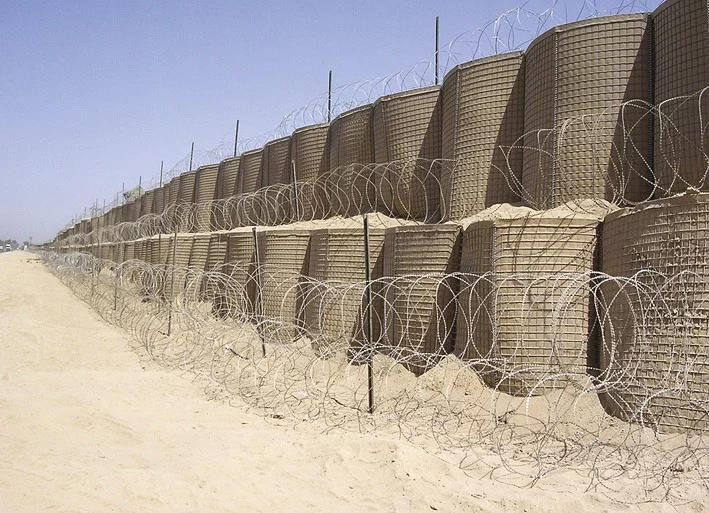
How Much Are HESCO Barriers?
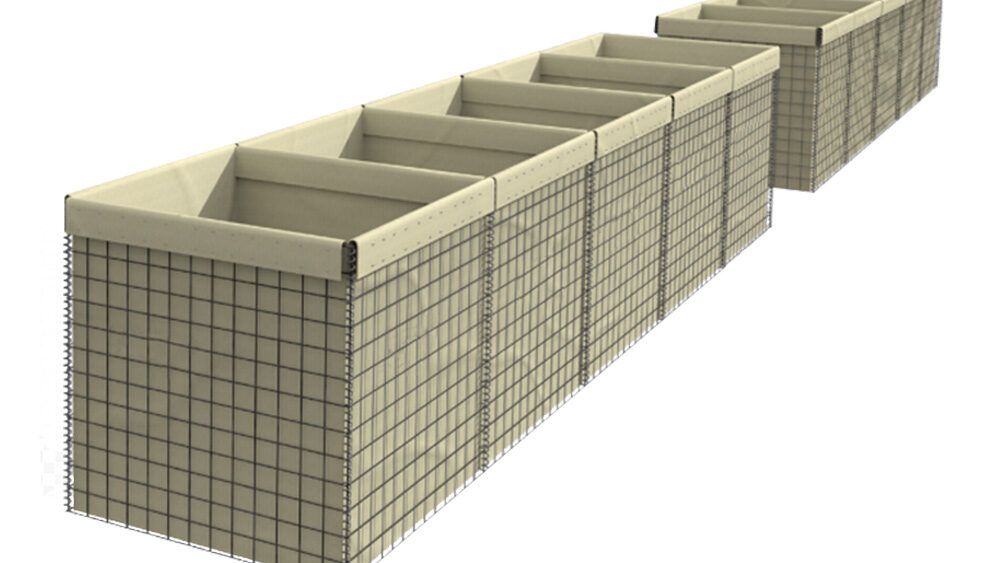
HESCO barriers, also known as HESCO bastions, are modular, collapsible protective containers made from galvanized steel mesh and heavy-duty geotextile fabric. They are widely used in military defense, flood control, and perimeter protection. The price of HESCO barriers varies significantly depending on size, specifications, materials, and supplier location.
History and Background
HESCO barriers were invented in the late 1980s by British engineer Jimi Heselden. Initially designed for coastal erosion protection, the barriers quickly gained adoption in military and civil applications worldwide. Today, both European and Chinese manufacturers produce HESCO barriers in various grades and sizes.

Factors Affecting HESCO Barrier Prices
- Material Quality: Mesh thickness, galvanized steel type, geotextile weight, and welding quality.
- Size & Specification: Larger or heavy-duty units cost more than small, economy-grade units.
- Order Quantity: Bulk orders often enjoy lower per-unit prices.
- Customization: Custom sizes, coatings, or fabric increase cost.
- Shipping & Logistics: International delivery, customs, and handling fees affect final price.
HESCO Barrier Price Table
| Model | Cell Size | Dimensions | Weight | Unit Price (China) | Unit Price (UK/USA) |
|---|---|---|---|---|---|
| MIL 1 | 9(4+5) Cell | 1.37m × 1.06m × 10m | ~160 kg | $100 – $137 | $250 – $350 |
| MIL 2 | 2 Cells | 0.61m × 0.61m × 1.22m | ~10 kg | $10 – $16 | $21 – $26 |
| MIL 3 | 2*5 Cells | 1m × 1m × 10m | ~110 kg | $95 – $140 | $300 – $420 |
| MIL 7 | 13(4+4+5) Cells | 2.13m × 2.13m × 29m | ~680 kg | $580 – $600 | $730 – $980 |
Shipping Costs
| Destination | Shipping Method | Cost (per 40HQ) | Capacity |
|---|---|---|---|
| USA West Coast | Sea Freight | $2,300 – $3,000 | ~420 units |
| Europe | Sea Freight | $1,800 – $2,600 | ~420 units |
| Middle East | Sea Freight | $1,200 – $1,700 | ~420 units |
Why Prices Vary
Differences in price are influenced by material specification, barrier size, customization, order volume, and shipping distance. Chinese manufacturers often offer lower prices compared to UK suppliers due to lower raw material and labor costs, as well as highly integrated supply chains.
FAQ
What is a HESCO barrier made of?
Galvanized steel mesh lined with heavy-duty geotextile fabric, filled with sand, gravel, or soil.
How much does a HESCO barrier cost?
Prices range from around $9 to $50+ per unit depending on size, material, and supplier.
Are Chinese HESCO barriers reliable?
Yes, many Chinese manufacturers produce high-quality HESCO barriers that meet international military and civil standards.
How fast can HESCO barriers be deployed?
With a small team and equipment, hundreds of meters of barriers can be deployed within hours.
Are Chinese HESCO barriers reliable?
Yes, many Chinese manufacturers produce high-quality HESCO barriers that meet international military and civil standards.
Factors Affecting Long-Term Value of HESCO Barriers
HESCO barriers are not just a temporary defense solution; they are designed for long-term durability. The following factors affect their lifecycle and overall value:
- Corrosion Resistance: High-quality galvanization and thicker mesh wires extend barrier life, especially in humid or coastal areas.
- Geotextile Durability: The lining fabric protects against sand or soil erosion. Heavy-duty liners last longer under repeated filling and emptying cycles.
- Maintenance Requirements: Periodic inspections to check for damaged mesh or torn liner help maintain structural integrity and prevent unexpected failures.
- Environmental Conditions: Extreme weather such as heavy rain, snow, or flooding can affect barrier stability. Proper installation with anchoring systems ensures performance under challenging conditions.
Applications of HESCO Barriers Beyond Military Use
Although HESCO barriers are widely recognized for military and defensive applications, they are also versatile in civilian and industrial contexts:
- Flood Control: Protect communities and critical infrastructure from river or storm surges.
- Event Safety: Temporary crowd control barriers for festivals, sports arenas, and public gatherings.
- Construction Sites: Secure perimeters and prevent unauthorized access in high-risk zones.
- Disaster Response: Rapidly deployable protection for emergency shelters, hospitals, and relief facilities.
These additional applications often influence the type of barrier purchased and its cost.
How to Optimize Your Purchase
To make the most cost-effective decision when buying HESCO barriers:
- Specify the purpose: Determine whether the barrier is for temporary or permanent use.
- Choose the right size and strength: Larger or heavier-duty units offer more protection but come at a higher price.
- Consider bulk orders: Purchasing multiple units in one shipment usually reduces per-unit costs.
- Include shipping and installation in budget: For international orders, shipping can significantly increase the total cost.
- Check supplier reliability: Compare reviews and certifications from multiple manufacturers to ensure quality standards are met.
Common Misconceptions About HESCO Barrier Costs
- “All barriers are the same price.” Prices vary widely depending on material, size, and origin.
- “Chinese barriers are inferior.” Many Chinese suppliers produce barriers meeting or exceeding international standards, often at a lower cost due to local production efficiency.
- “Unit price is the total cost.” Remember to factor in filling material (sand, gravel), transport, and installation.
Summary
- The base price of HESCO barriers ranges from $9 to $50+ per unit, depending on specifications.
- Additional costs such as shipping, filling material, and labor can double the overall investment.
- Chinese-made HESCO barriers often offer the best balance between price and quality.
- Understanding specifications, supplier capabilities, and logistical costs is critical to making an informed purchase.
Leave a Reply