Hesco Barrier Collapse Causes and Safety Guide
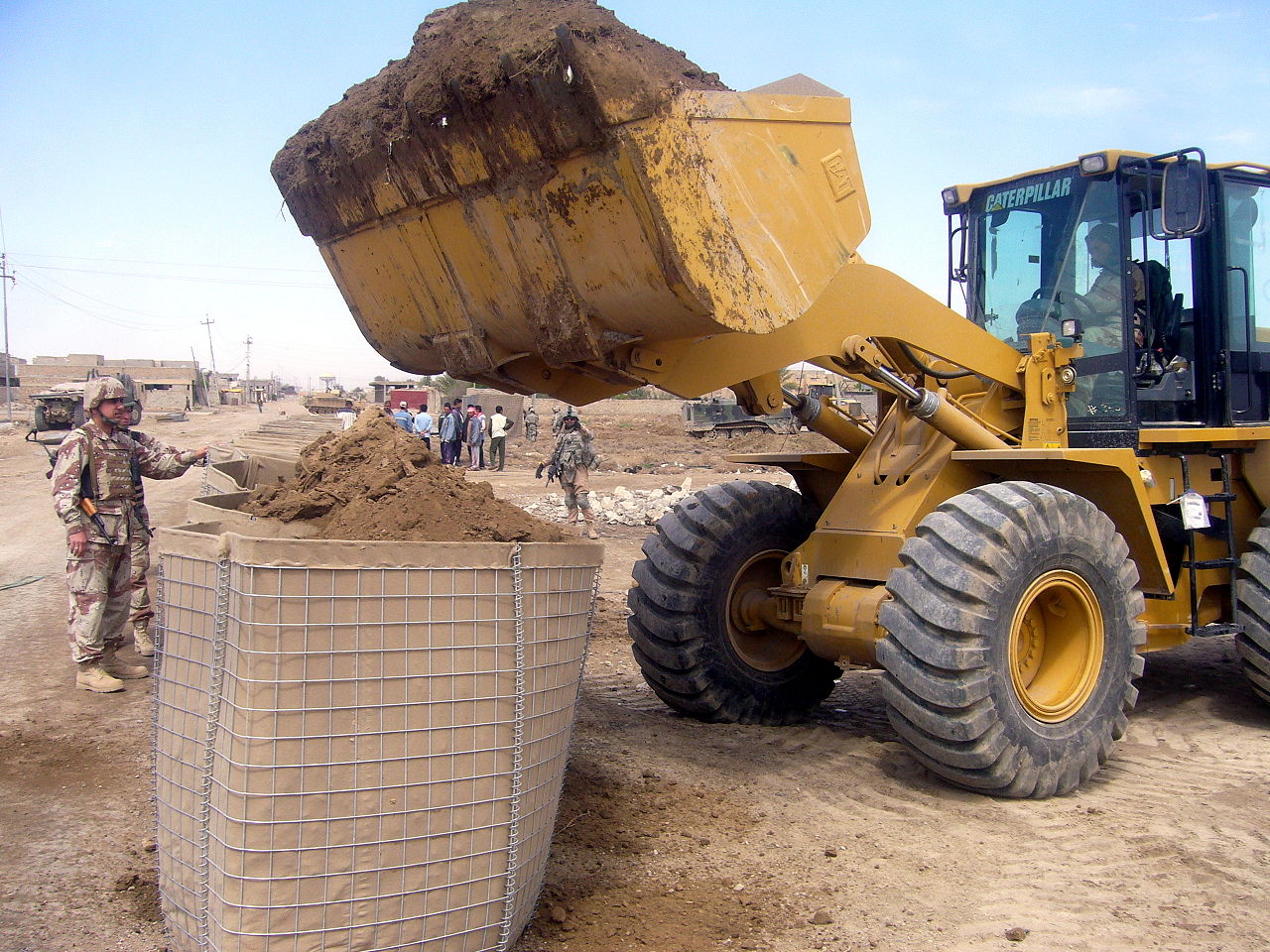
Hesco Barriers, also known as interlocking barriers or wire mesh gabions, are widely used for flood control, military defense, perimeter fortification, and disaster response. Despite their robust structure and rapid deployment capabilities, these barriers can still fail under certain conditions. Understanding the underlying causes of collapse is essential for ensuring long-term safety and performance.
Main Factors Leading to Collapse
The stability of a Hesco Barrier depends on multiple factors, ranging from material quality and construction methods to environmental forces. Key contributors include:
- Weld Strength and Material Quality: The barrier’s steel mesh and welding points must meet design specifications. Weak welds or low-grade steel can compromise structural integrity, causing deformation or collapse under load. For example, during high-water flooding, poorly welded joints can split under lateral pressure.
- Installation Standards: Correct installation according to design manuals and engineering standards is crucial. Improper alignment, insufficient tension, or incorrect connection between units can create weak points that fail under stress.
- Foundation Issues: Soft, weak, or uneven soil—such as collapsible loess, saline soil, expansive clay, or fill soil—can lead to uneven settlement. This may cause tilting or partial collapse, particularly for taller barriers exceeding 6.5 meters.
- Filling Material Problems: Using unsuitable fill, such as organic-rich soil, construction debris, or mixed waste, weakens the barrier. Even correct materials require proper layering and compaction to prevent internal shifting.
- Environmental Forces: Floodwaters, erosion, ice, or prolonged exposure to UV rays can undermine barrier stability. Fast-moving water can erode the base, while debris impact can damage steel mesh or displace fill material.
Foundation Requirements
Proper foundation preparation is critical to prevent settlement, tilting, and collapse. The following requirements should be met:
Soil Foundation
- The soil must be firm, stable, and capable of supporting the barrier load without uneven settlement.
- Special soils such as collapsible loess, saline soils, expansive clay, soft soil, or lava must be treated using compaction, stabilization, or reinforcement techniques before construction.
- Heavy compaction standards must be achieved according to soil type. Typical values are shown below:
| Excavation Type | Depth Below Surface (mm) | Compaction – Fine Soil (%) | Compaction – Coarse Soil (%) |
|---|---|---|---|
| Fill | Full depth | ≥93 | ≥95 |
| Excavation / Zero Fill | 0-400 | ≥93 | ≥95 |
Note: Compaction values are based on the maximum dry density obtained by heavy compaction test.
- For barriers taller than 6.5 meters, the foundation’s bearing capacity must be calculated. Cement-stabilized soil, graded gravel, or concrete layers may be necessary.
- The foundation should extend at least 1 meter beyond the barrier footprint, and a slight slope should be maintained to facilitate drainage and prevent water accumulation.
Foundation Slope and Drainage
- Foundations should have a gentle slope away from the wall to allow water to drain naturally.
- Drainage channels or ditches can be added to maintain soil stability during heavy rainfall or flooding.
- Proper drainage prevents erosion and reduces uneven settlement risks.
Filling Material Requirements
The fill material provides the primary resistance against lateral forces. Quality and proper installation are critical for stability.
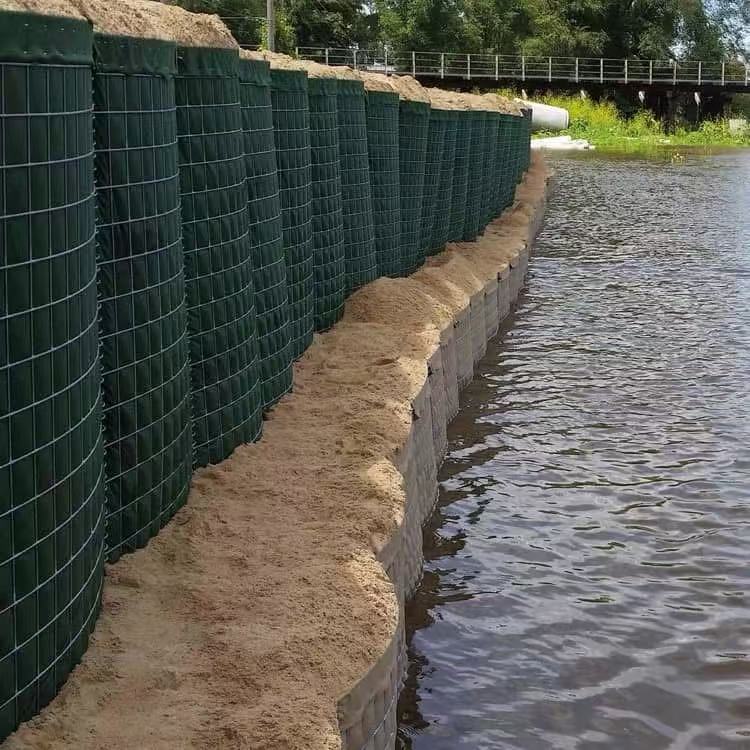
- Allowed Materials: Clean soil or sand. Soil must be free of grass, roots, debris, or organic matter. Sand should be clean, dense, and may be fine, medium, or coarse.
- Prohibited Materials: Avoid rubble, construction waste, stones, or any material that may damage the steel mesh or reduce cohesion.
- Layered Compaction: Fill should be placed in layers and compacted properly. For multi-layer barriers, fill must extend above the steel mesh frame to avoid damage to mesh between layers.
- Case Example: During flood deployment, a barrier filled with uncompacted wet sand collapsed under lateral water pressure, whereas the same barrier with properly compacted coarse sand remained stable.
Welding and Material Strength
- Steel mesh thickness and welding strength determine the barrier’s structural integrity.
- Poor welding or substandard steel can lead to bending, mesh deformation, or splitting at high loads.
- Periodic inspection of mesh and welds is recommended, especially for barriers deployed long-term in harsh environments.
Installation Practices
- Align and connect units according to manufacturer specifications.
- Ensure vertical alignment and correct tension of steel mesh.
- Check that all locking pins or hooks are fully engaged.
- Multi-layer installation requires sequential layering and careful compaction of each layer.
Environmental Considerations
- Floodwaters: Fast-moving water can erode foundations or displace fill.
- Ice and frost: Freeze-thaw cycles can weaken soil foundations and steel mesh over time.
- UV and weathering: Long-term exposure may degrade geotextile liners, necessitating periodic maintenance.
- Debris impact: Floating debris during floods can damage the barrier if not reinforced.
Maintenance and Inspection
- Conduct regular inspections for mesh deformation, weld integrity, and fill settlement.
- Repair minor tears or damage immediately to prevent further deterioration.
- Re-compact settled fill if necessary, and reinforce foundations where erosion occurs.
- Check drainage channels to ensure water flows away from the barrier base.
Summary and Recommendations
The stability of Hesco Barriers relies on proper material selection, weld strength, foundation preparation, fill quality, correct installation, and environmental management. Following these guidelines ensures that barriers perform reliably under flood conditions, military threats, or disaster response scenarios:
- Use high-quality steel mesh and ensure welds meet design standards.
- Prepare and compact foundations according to soil type and height of the barrier.
- Use approved fill materials and apply proper layered compaction.
- Install according to technical manuals and ensure proper locking between units.
- Implement drainage, erosion control, and environmental monitoring.
- Perform regular inspections and maintenance to extend service life.
By adhering to these practices, the risk of Hesco Barrier collapse is significantly reduced, ensuring long-term performance and safety.
Leave a Reply